
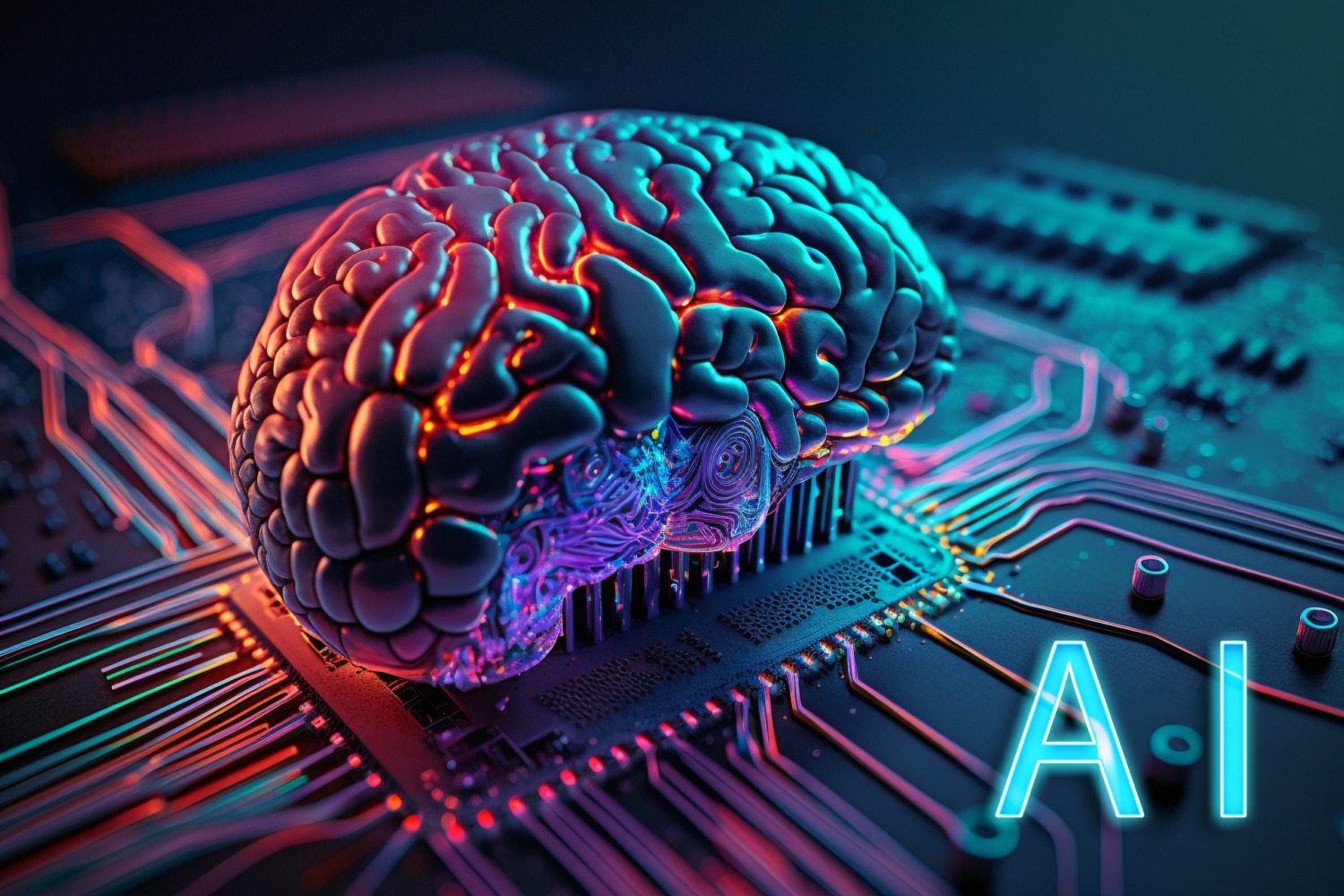
Artificial Intelligence is reshaping the way professionals work. Instead of replacing jobs outright, AI is enhancing human capabilities by automating repetitive tasks and providing insights for informed decisions. Tools like AI-powered writing assistants, code generators, analytics engines, and customer support systems allow employees to focus on strategic and creative work. This shift increases productivity across industries like finance, healthcare, manufacturing, and IT services.
AI also improves collaboration. Teams can use AI-based project tracking, meeting summarization, task delegation, and workflow automation platforms to maintain efficiency. In data-driven environments, AI systems interpret large datasets in seconds, enabling faster decision-making and trend identification.
However, the workforce must adapt by learning how to work alongside AI. Skills such as prompt engineering, data interpretation, creative reasoning, and analytical decision-making are becoming essential. The most successful professionals will be those who understand how AI tools function and how to integrate them into everyday workflows.
AI is not simply a trend—it represents a structural shift in how work is performed. Companies adopting AI early will gain a competitive advantage, and professionals skilled in AI-assisted productivity techniques will find themselves positioned for rapid career growth.